India stun NZ by 96 runs to claim record 3rd T20 World Cup
 May, 26 2026
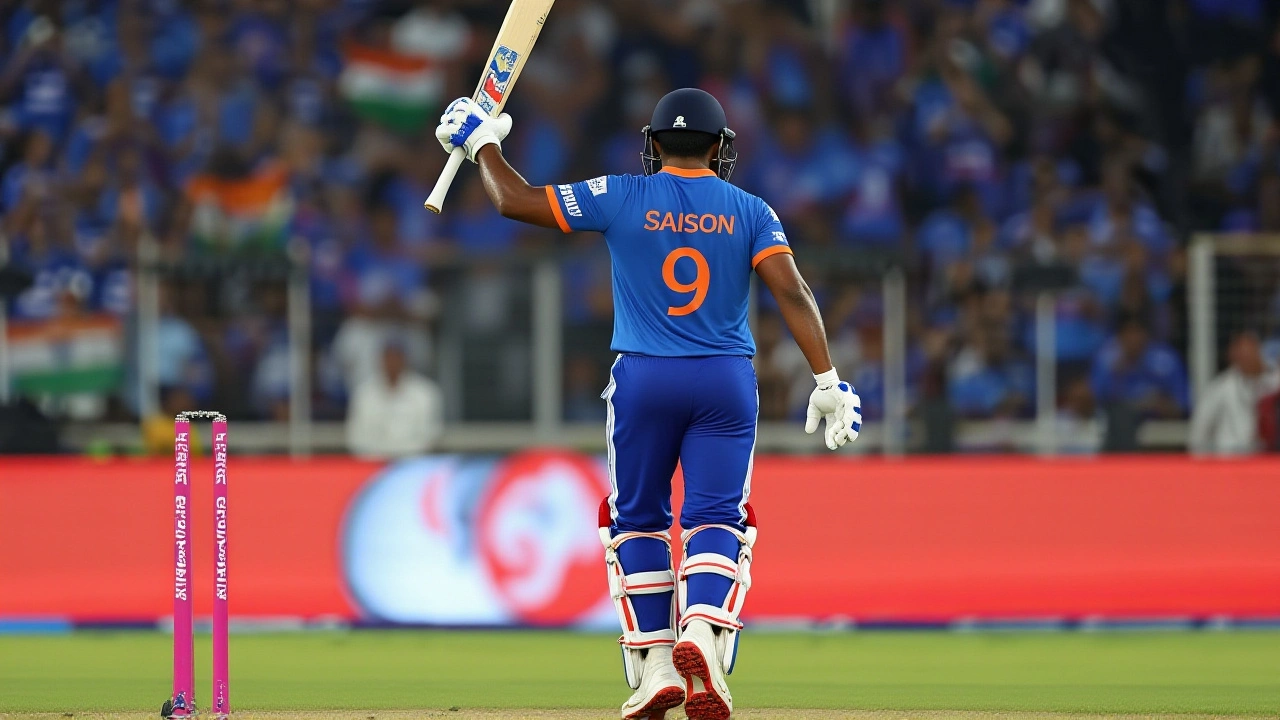
History was written in Ahmedabad on the night of March 8, 2026. The Indian cricket team didn't just win the final; they dismantled their opponents with a statement performance that will be replayed for decades. By defeating New Zealand by a staggering 96 runs, India secured their third ICC Men's T20 World Cup title, becoming the first nation to win back-to-back championships in the format.
The stage was set at the colossal Narendra Modi Stadium, which held its breath as the ball left the bowler’s hand for the last time. It wasn’t a nail-biter. It was a masterclass. The margin of victory—96 runs—is the largest ever recorded in a T20 World Cup final, signaling a new era of dominance for Indian cricket on the global stage.
A Target That Defied Logic
Here’s the thing about T20 finals: they’re usually tight, tactical battles where every run counts. This one? It felt like a different sport entirely. India batted first and posted a mammoth total of 256 runs. In the context of a World Cup decider, that number is almost unheard of. Live coverage on YouTube described it as "a massive score to chase," but looking at the scoreboard, "massive" feels like an understatement.
To put that in perspective, chasing 256 in 20 overs requires a strike rate of over 170 from start to finish. Even the most aggressive batting lineups crumble under that pressure. For New Zealand, the task became impossible long before the innings ended. At one point, with 52 balls remaining, they needed 150 runs. That’s nearly three runs per ball. Every delivery demanded a six or a boundary. There was no room for error, no space for rotation, and certainly no hope for survival.
The Indian bowling attack didn’t panic. They stuck to their plans, executed their lines, and let the required run rate do the heavy lifting. As the commentary noted, New Zealand would have needed to hit a six on every single ball—a statistical impossibility even in the most chaotic T20 matches.
Record-Breaking Dominance
This victory isn’t just another trophy added to the cabinet. It’s a historic milestone. According to the International Cricket Council (ICC), this marks India’s record-breaking third T20 World Cup title. But the real story? They are now the first team in history to win consecutive T20 World Cups.
Think about what that means. Winning one world cup is hard. Winning two in a row? That’s dynastic. It places India in rarefied air, alongside only the most dominant teams in sports history. The ICC branded the match as a "landmark win," and commentators echoed that sentiment, declaring, "It’s India who win the World Cup for the third time." The weight of that achievement can’t be overstated.
The BCCI’s official match report called it a "historic night," and you can feel that emotion radiating from every word. This wasn’t just about beating New Zealand; it was about cementing a legacy. India has shown that they aren’t just good at T20s—they’re the best, consistently, year after year.
The Atmosphere in Ahmedabad
If you weren’t there, you missed something special. The Narendra Modi Stadium, with its capacity of over 130,000 seats, was a cauldron of noise. From the moment India crossed the boundary for those early boundaries, the crowd roared. By the time the target was set, the energy was electric. And when the final wicket fell, sealing the 96-run victory, the stadium erupted in a way that words struggle to capture.
Social media exploded instantly. Highlights videos tagged with #ICC, #T20WorldCup, and #Cricket racked up millions of views within days. One official ICC highlights reel alone garnered 2.3 million views in just two months, a testament to how much this moment resonated with fans worldwide. People weren’t just watching a game; they were witnessing history being made.
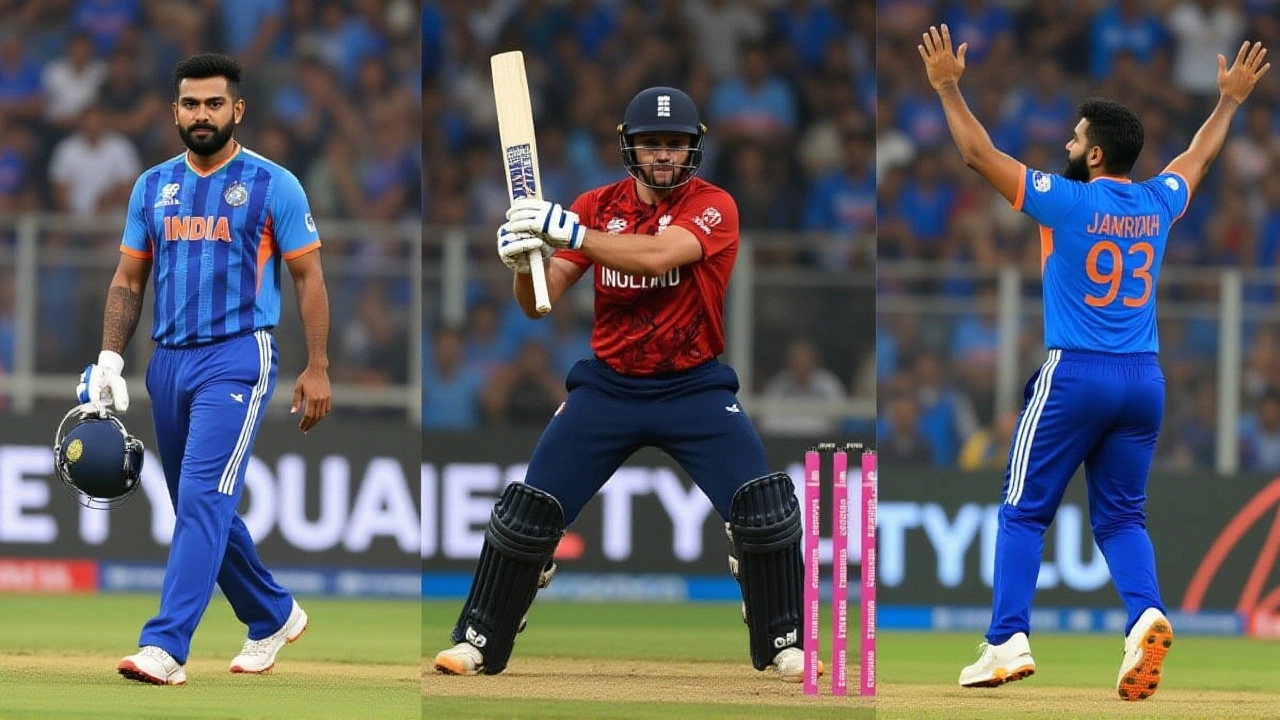
The contrast between the jubilant Indian camp and the stunned New Zealand players told the whole story. For New Zealand, it was a heartbreaking end to a tournament campaign. For India, it was validation of years of hard work, smart planning, and sheer talent.
What Does This Mean for Cricket?
India’s dominance in the T20 format raises interesting questions for the future of the game. Can any team challenge them now? With a squad depth that seems endless and a batting lineup capable of posting 250+ totals on demand, the answer might be no—not anytime soon.
Experts suggest this win could shift power dynamics in international cricket. Other nations will need to rethink their strategies, perhaps focusing more on white-ball specialization rather than trying to balance all formats equally. India has shown that if you commit fully to T20s, you can dominate.
Moreover, the commercial impact will be huge. Sponsors, broadcasters, and franchises will take note. The Indian market is already the biggest in cricket, but this kind of sustained success ensures that investment continues to flow. Expect bigger prize pools, better facilities, and higher salaries for players in the coming years.
Looking Ahead: The Next Challenge
So, what’s next for India? Rest, celebration, and then preparation for the next cycle. The T20 World Cup happens every two years, so the next edition is likely in 2028. Will India go for three in a row? That would be unprecedented. No team has ever won three consecutive T20 World Cups. If they pull it off, they’ll rewrite the rulebook again.
In the meantime, domestic leagues like the IPL will see these stars shine even brighter. Fans will want to see them play, buy their merchandise, and follow their every move. The brand value of Indian cricketers is skyrocketing, and this victory adds fuel to that fire.
For New Zealand, it’s time to regroup. They’re a strong side, no doubt, but they’ve been outclassed by a team operating at peak efficiency. They’ll need to analyze what went wrong, adapt, and come back stronger. Cricket is cruel, but it’s also forgiving—if you learn from your losses.
Frequently Asked Questions
How many T20 World Cups has India won?
As of March 2026, India has won three ICC Men's T20 World Cup titles. This makes them the most successful team in the tournament's history. Their previous wins came in earlier editions, and this 2026 victory is their second consecutive title, a first in the competition.
Who did India beat in the 2026 T20 World Cup Final?
India defeated New Zealand in the final of the ICC Men's T20 World Cup 2026. The match took place on March 8, 2026, at the Narendra Modi Stadium in Ahmedabad. India won by a commanding margin of 96 runs, setting a new record for the largest victory margin in a T20 World Cup final.
What was the target score set by India in the final?
India set a daunting target of 256 runs for New Zealand to win. This was one of the highest totals ever posted in a T20 World Cup final. New Zealand struggled to keep up with the required run rate, especially in the middle overs, and ultimately fell short by 96 runs.
Where was the 2026 T20 World Cup Final played?
The final was held at the Narendra Modi Stadium in Ahmedabad, Gujarat, India. Known for being the largest cricket stadium in the world, it provided a spectacular backdrop for India’s historic victory. The venue hosted a packed crowd that celebrated enthusiastically throughout the match.
Is India the first team to win back-to-back T20 World Cups?
Yes, India became the first team to win consecutive ICC Men's T20 World Cup titles. This achievement underscores their dominance in the shortest format of the game. No other nation had managed to retain the trophy until India did so in 2026, following their win in the previous edition.