Amit Shah Reviews Border Security, Anti-Drone Measures in Rajasthan
 May, 27 2026
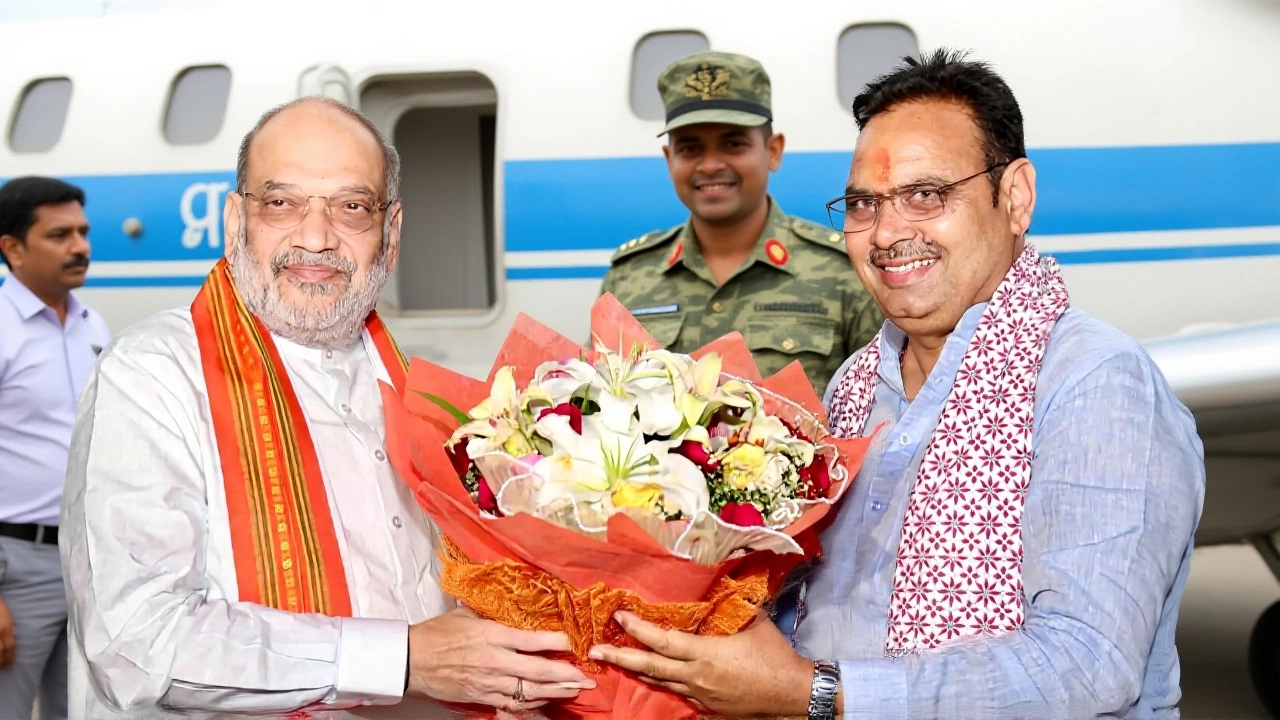
When Amit Shah, Union Home Minister of India, touched down in Bikaner late Monday night, the stakes were clear: India’s western frontier is facing a new kind of threat. It wasn’t just a routine inspection. The focus was sharp and specific—drone-based smuggling along the porous Rajasthan-Pakistan border.
Arriving at Nal Airport near Bikaner around 10:20 pm on May 25, Shah embarked on a two-day visit that serves as the opening leg of a broader multi-state security tour. He stayed overnight at the Border Security Force (BSF) Sector Headquarters, setting the stage for intense discussions on modernizing border defense against high-tech infiltration methods.
The Drone Threat Takes Center Stage
Here’s the thing: cross-border smuggling has evolved. It’s no longer just about digging tunnels or sneaking through desert terrain. Drones are now being used to drop narcotics, arms, and other contraband across the fence line. This shift has forced security agencies to rethink their surveillance strategies entirely.
During his stay, Shah chaired a high-level security review meeting involving senior BSF officials, intelligence agency representatives, and district administrators. The agenda was packed with technical details. Discussions centered on curbing drone usage, expanding laser fencing infrastructure, and improving real-time monitoring systems. There was also a strong emphasis on coordination between central agencies and the Rajasthan Police.
The goal? Faster intelligence sharing. In the past, information silos have slowed responses. Now, the push is for integrated command centers where data from drones, sensors, and human intelligence converges instantly. It’s a significant upgrade from traditional patrol methods.
On the Ground at Sanchu Post
The next morning, Tuesday, May 26, the scene shifted from conference rooms to the harsh realities of the border. Shah traveled by helicopter to the Sanchu Border Outpost, a remote BSF location in Bikaner district. Conditions there are tough—extreme heat, limited resources, and constant vigilance required.
At Sanchu, he participated in a ‘Sainik Sammelan’ (also referred to as ‘Prahari Sammelan’ by some outlets), interacting directly with BSF jawans. These face-to-face meetings aren’t just symbolic; they provide leadership with unfiltered insights into operational challenges. Soldiers shared concerns about equipment maintenance, communication gaps, and the psychological toll of long deployments.
In a notable move, Shah virtually inaugurated newly constructed women’s barracks at the outpost. This reflects a broader trend within the BSF to integrate more female personnel into frontline roles, enhancing diversity and capability in border management.

A Broader Strategic Tour
This Rajasthan visit isn’t isolated. It’s part of a calculated strategy to review security across multiple international boundaries. After concluding his work in Bikaner and departing for New Delhi on Tuesday evening, Shah’s itinerary extends to other critical zones.
- May 29: Visit to Bhuj, Gujarat, to inspect a BSF outpost and the strategically sensitive Harami Nala area in the Rann of Kutch.
- June 5: Trip to Tripura to review security arrangements along the India-Bangladesh border.
- Mid-June: Expected visit to West Bengal, following the Bharatiya Janata Party’s recent electoral victory there.
The inclusion of West Bengal is particularly interesting. With the BJP forming the government for the first time after defeating the Trinamool Congress, this visit signals a unified national approach to border security, regardless of regional political dynamics.
Why This Matters Now
Security experts point out that the rise of commercial drone technology has created a loophole in border enforcement. Traditional fences can stop humans, but not small unmanned aerial vehicles. By focusing on anti-drone measures, the central government is addressing a vulnerability that could undermine years of physical infrastructure investment.
Moreover, the timing coincides with heightened tensions in the region. Strengthening coordination between state police forces like the Rajasthan Police and central agencies ensures a quicker response to incidents. It’s about creating a seamless security net rather than fragmented efforts.
Frequently Asked Questions
What is the primary reason for Amit Shah's visit to Rajasthan?
The main objective is to review border security arrangements and assess anti-drone measures along the India-Pakistan frontier. There is growing concern over the use of drones for smuggling narcotics and arms, prompting a need for upgraded surveillance technology and better inter-agency coordination.
Which specific locations did Amit Shah visit during the Rajasthan leg?
He arrived in Bikaner, staying at the BSF Sector Headquarters. On May 26, he visited the Sanchu Border Outpost via helicopter to interact with troops and review ground conditions. He also held high-level meetings in Bikaner city before returning to New Delhi.
What are the key components of the new anti-smuggling strategy?
The strategy focuses on strengthening anti-drone systems, expanding laser fencing, and improving real-time monitoring. A crucial element is enhancing coordination between the Border Security Force, intelligence agencies, and state police forces like the Rajasthan Police to ensure faster intelligence sharing.
Where will Amit Shah travel after Rajasthan?
His tour continues to Bhuj, Gujarat, on May 29 to inspect the Harami Nala area. He will then visit Tripura on June 5 to review the India-Bangladesh border, followed by a trip to West Bengal in mid-June to oversee security in the eastern sector.
What significance does the inauguration of women's barracks hold?
It marks a step towards integrating more female personnel into frontline border duties. Providing dedicated accommodation at remote posts like Sanchu supports the inclusion of women in the BSF, enhancing the force's diversity and operational capabilities in challenging environments.